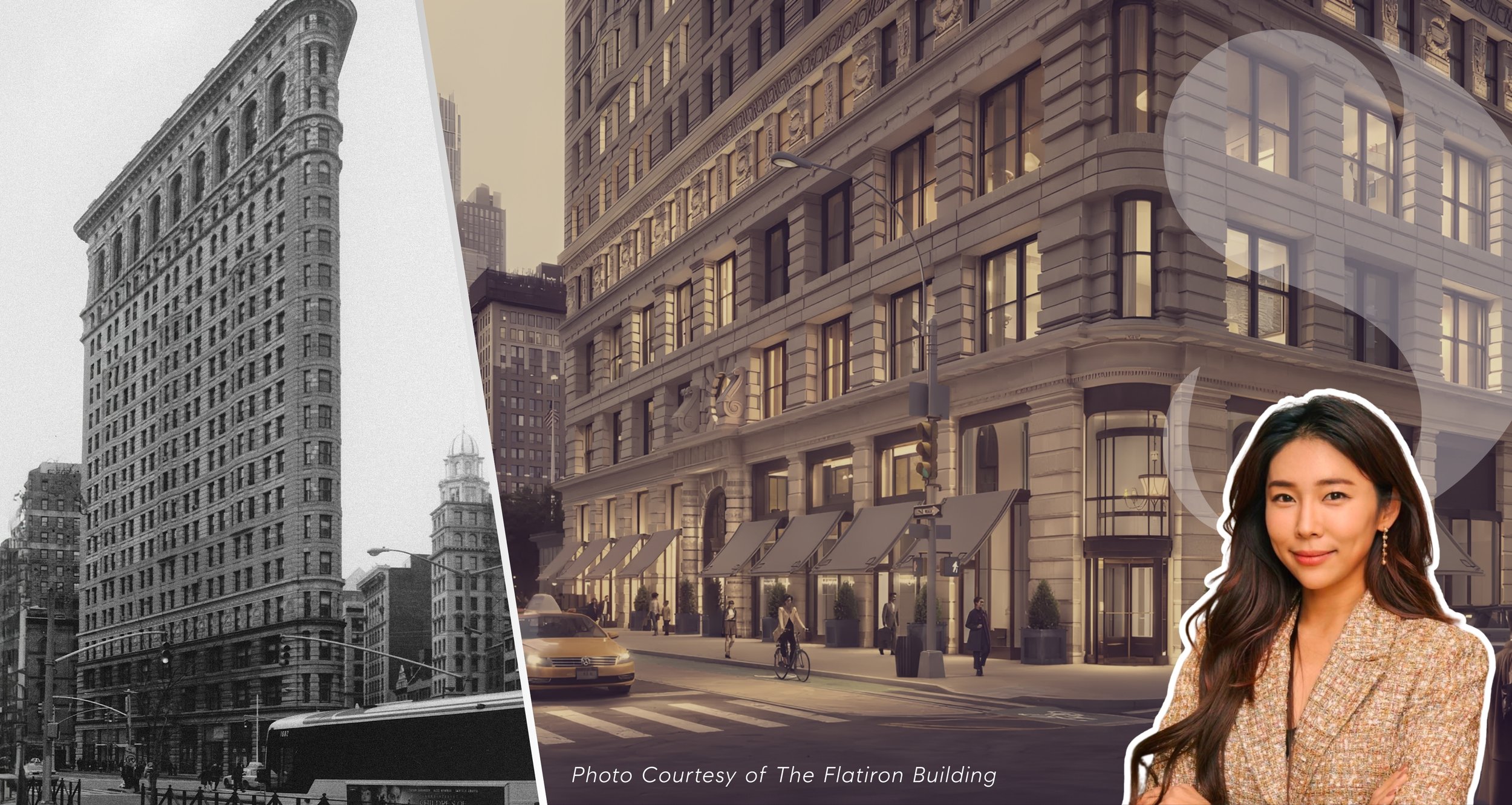
Few buildings in New York City are as instantly recognizable as the Flatiron Building. Rising dramatically at the intersection of Fifth Avenue and Broadway, this triangular Beaux-Arts masterpiece has defined the Manhattan skyline since 1902. Now, after more than a century as a commercial and office building, the Flatiron is preparing for a remarkable new chapter: conversion into luxury residential condominiums.
A Landmark Reimagined
The Flatiron Building has long been a symbol of innovation and architectural daring. Designed by Daniel Burnham, it was one of the city’s first steel-frame skyscrapers and quickly became a cultural icon. Its conversion into condos reflects a broader shift in Manhattan real estate, where historic commercial buildings are increasingly being reimagined as residential spaces to meet evolving demand.
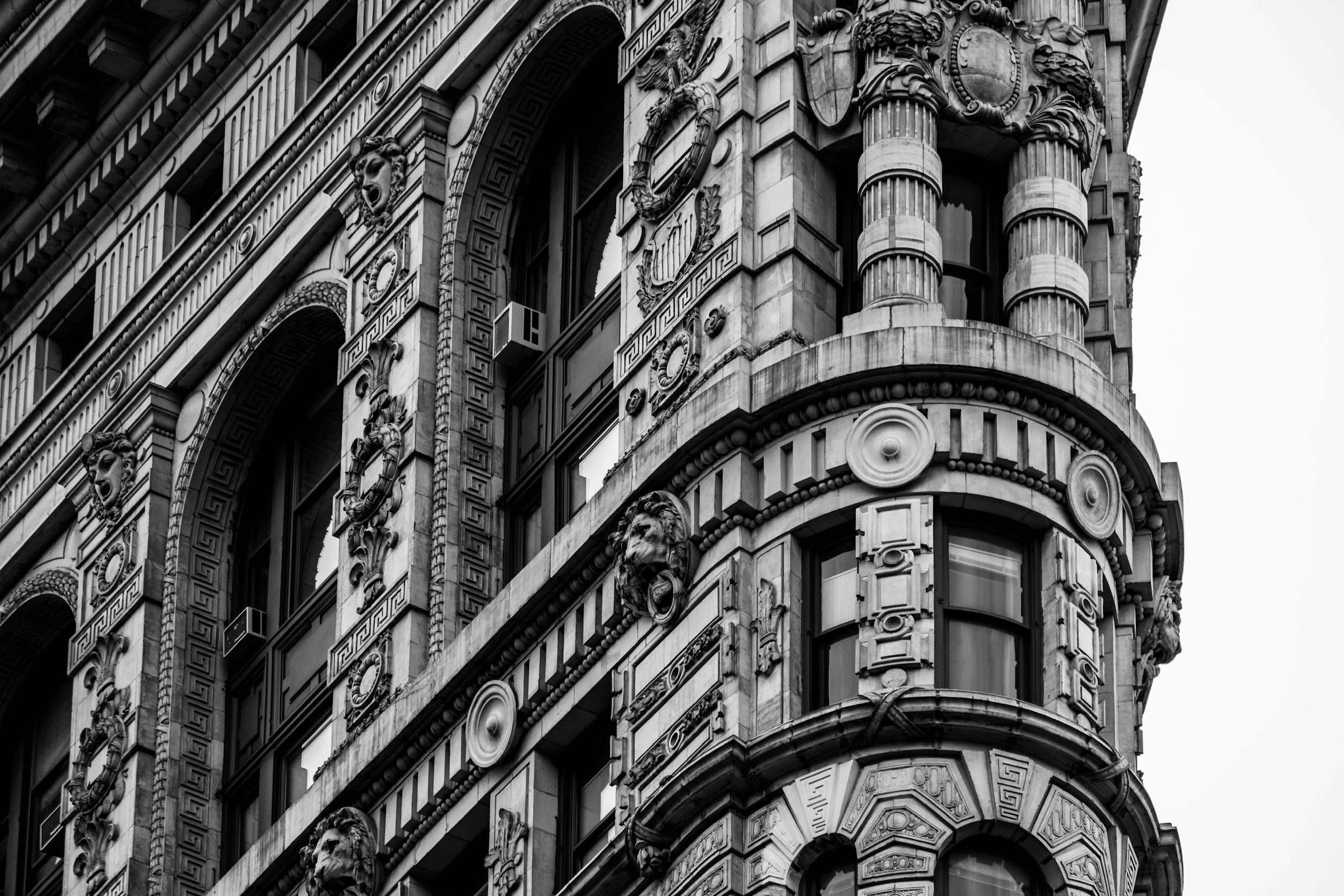
Because the Flatiron is both an individual NYC landmark and part of a historic district, the transformation must carefully preserve its exterior and defining architectural details. That means its iconic limestone façade, ornate cornices, and unmistakable wedge shape will remain untouched—ensuring that the building’s historic presence endures even as its interior is completely reinvented.
Why Condos, and Why Now?
The move to convert the Flatiron into residences comes amid changing office-space dynamics in Manhattan. With flexible work models reshaping how companies use offices, older commercial buildings—particularly those with unique architecture—are being repositioned as high-end homes. Buyers today are drawn to properties that offer history, character, and scarcity, all of which the Flatiron delivers in spades.
Additionally, luxury condo buyers continue to prioritize location. The Flatiron District sits at the crossroads of Downtown and Midtown, surrounded by Madison Square Park, world-class dining, and easy access to multiple subway lines. It’s a neighborhood that blends old New York charm with modern energy—making it ideal for boutique, ultra-luxury residences.
What Buyers Can Expect
While final interior plans are still evolving, expectations are high. Given the building’s floor plates and iconic shape, residences are likely to feature dramatic layouts, soaring ceilings, oversized windows, and sweeping views of Manhattan. Many units may be designed as full-floor or half-floor homes, emphasizing privacy and exclusivity.
Amenities are expected to be in line with top-tier luxury developments, potentially including a residents’ lounge, fitness center, concierge services, and private storage—thoughtfully integrated to respect the building’s historic fabric.
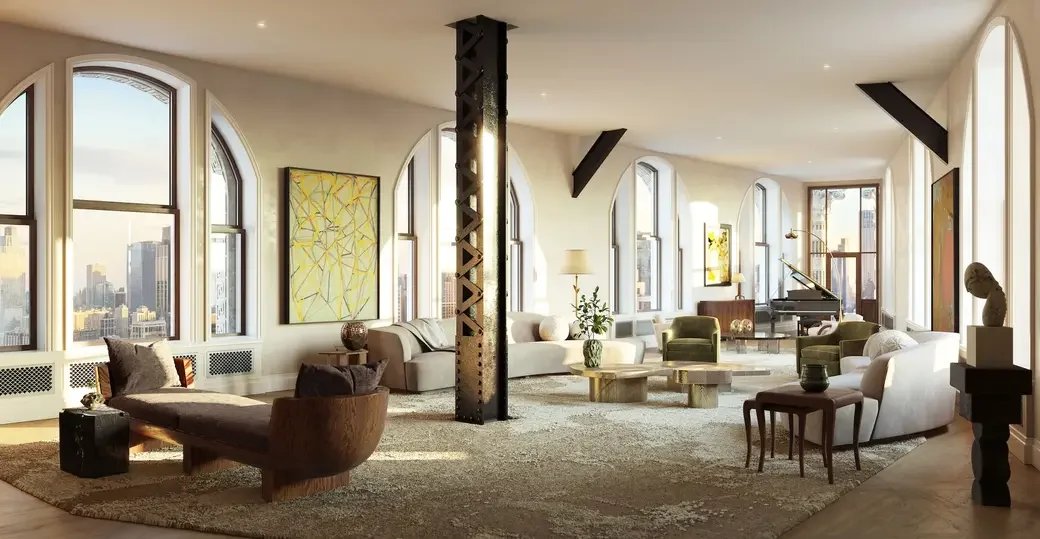
Rendering courtesy of Visualisation One
A Rare Opportunity in NYC Real Estate
Residential conversions of buildings this iconic are exceptionally rare. The Flatiron’s transition into condos isn’t just a real-estate story—it’s a cultural moment. Owning a home here will mean owning a piece of New York City history, something that cannot be replicated or replaced.
As Manhattan continues to evolve, projects like this highlight a powerful trend: the city’s most storied buildings are being preserved not by freezing them in time, but by thoughtfully adapting them for modern living. The Flatiron’s condo conversion promises to be one of the most exciting and talked-about residential projects in New York for years to come.
Written by. Judy Yi | (E) judy.yi@compass.com , (M) 845.915.0837