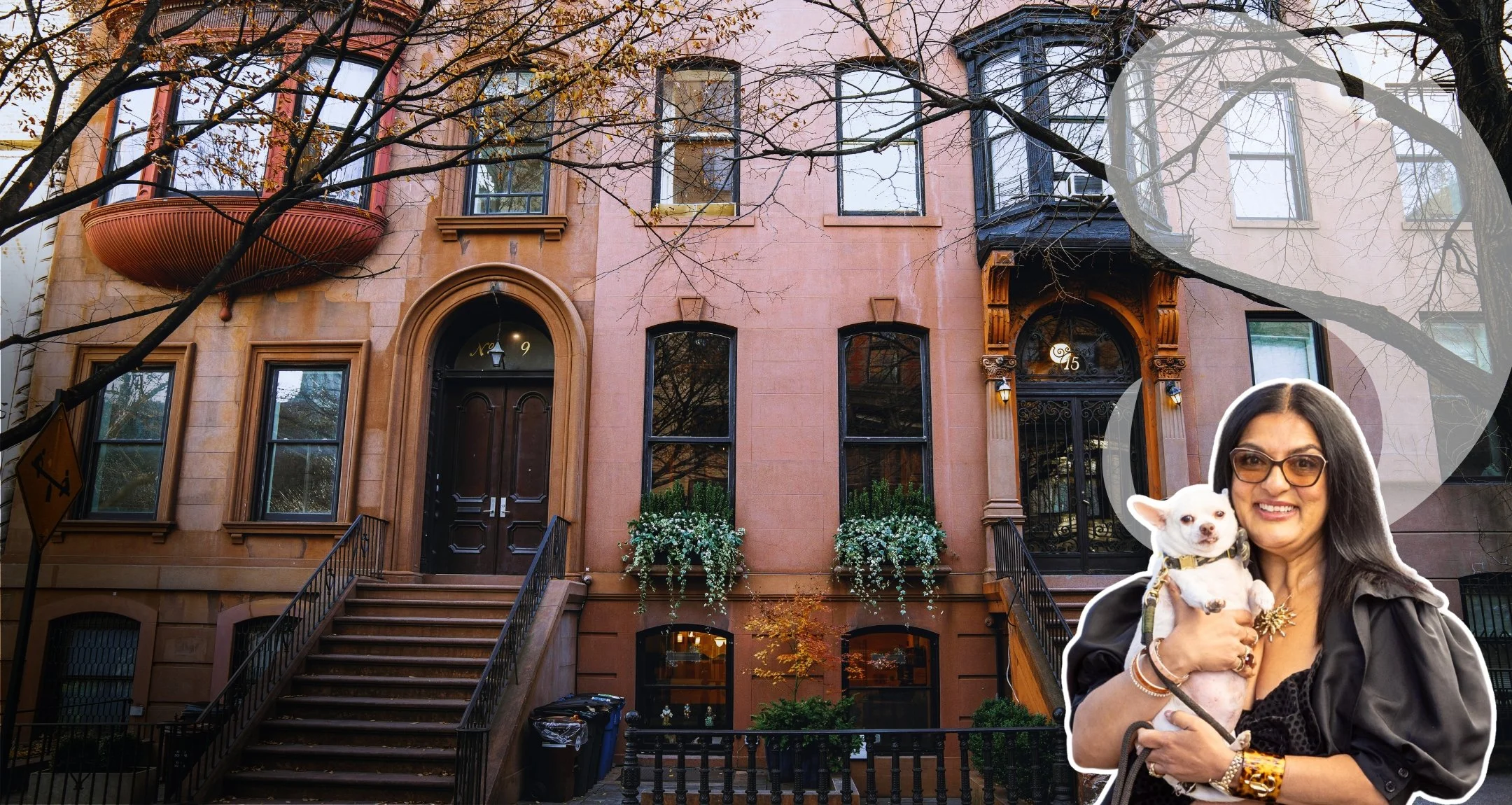
Buying in New York City is never one-size-fits-all. The “best” neighborhood depends on your budget, lifestyle, timeline, and long-term goals — but in 2026, several areas stand out for buyers seeking value, upside, inventory, or lasting desirability.
After several years of limited inventory and intense competition, parts of the NYC market are offering buyers more choices and, in some cases, more negotiating power. Here are some neighborhoods worth watching in 2026.
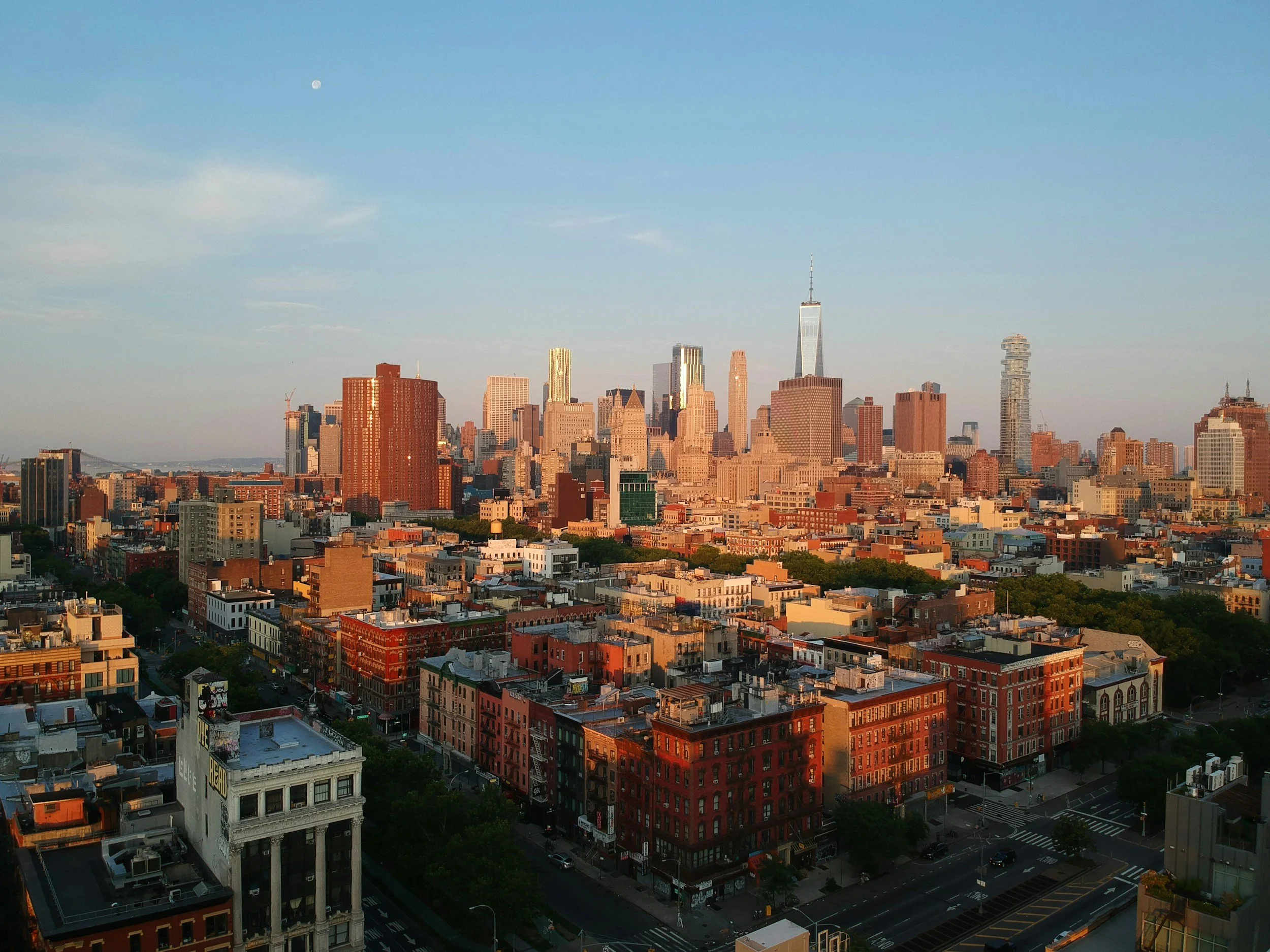
1. Lower East Side, Manhattan
The Lower East Side continues to attract buyers who want downtown energy, strong transportation access, restaurants, nightlife, and proximity to Soho, Nolita, the East Village, and Chinatown. With increased inventory and softened pricing compared with last year, buyers may find more opportunity here than in other downtown neighborhoods.
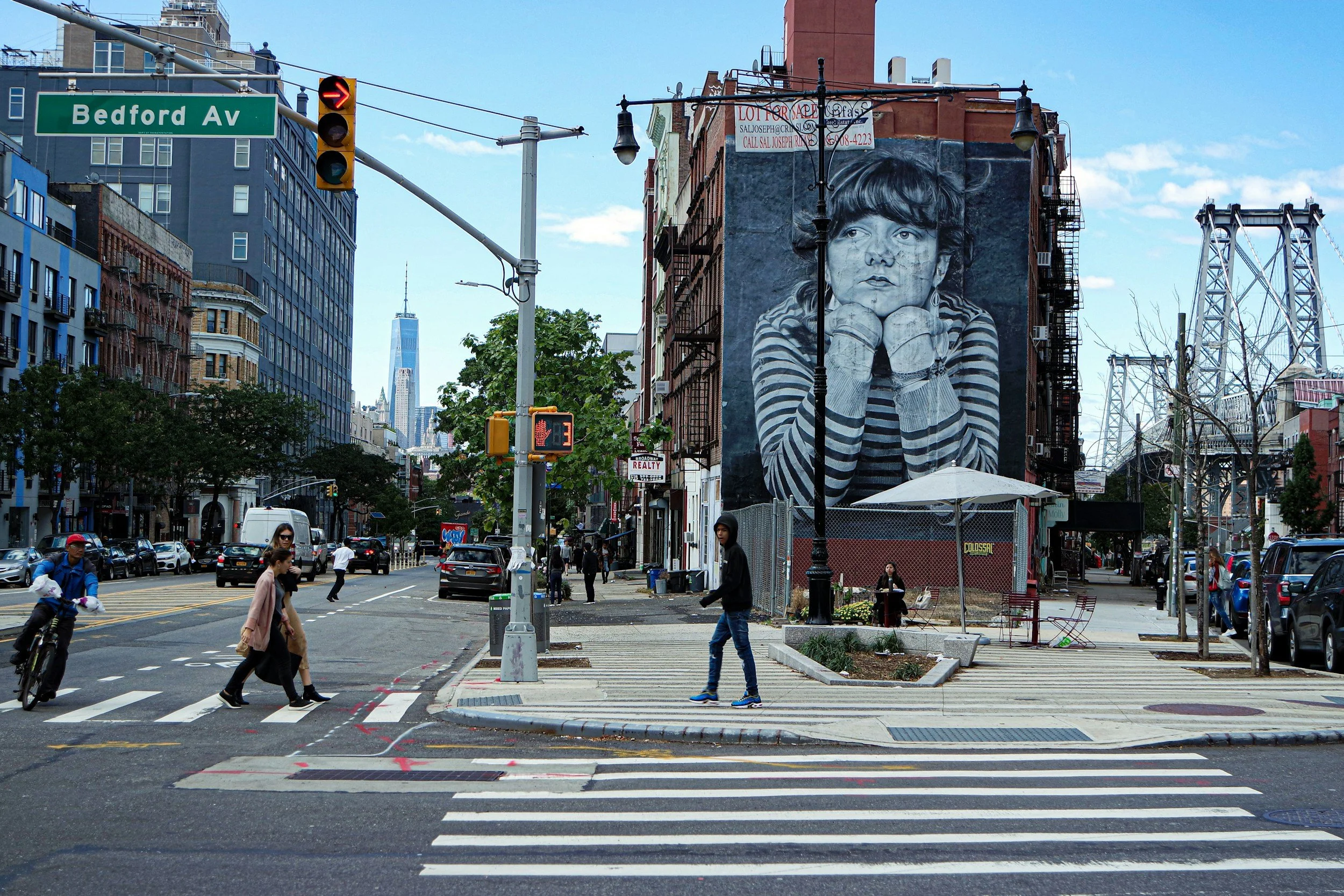
2. Williamsburg, Brooklyn
Williamsburg remains one of Brooklyn’s most desirable neighborhoods, especially for buyers seeking waterfront living, strong rental demand, great restaurants, shopping, parks, ferry access, and quick transit into Manhattan. While pricing remains high, recent inventory shifts may create better entry points than buyers have seen in previous years.

3. Bushwick, Brooklyn
Bushwick is one of the more compelling value plays in Brooklyn. It offers a creative, energetic feel with restaurants, galleries, nightlife, and transit access, while still sitting below the pricing of many more established Brooklyn neighborhoods. For buyers looking for upside, Bushwick deserves attention.

4. Financial District, Manhattan
FiDi has become increasingly attractive for buyers who want space, convenience, full-service buildings, and relative value compared with other Manhattan neighborhoods. With easy access to multiple subway lines, the waterfront, Tribeca, and Battery Park City, it offers a practical downtown lifestyle with long-term appeal.

5. Midtown East, Manhattan
Midtown East is often overlooked, but that can be exactly what creates opportunity. Buyers can find full-service buildings, strong transportation access, proximity to Grand Central, and pricing that may feel more approachable than many downtown or West Side neighborhoods.

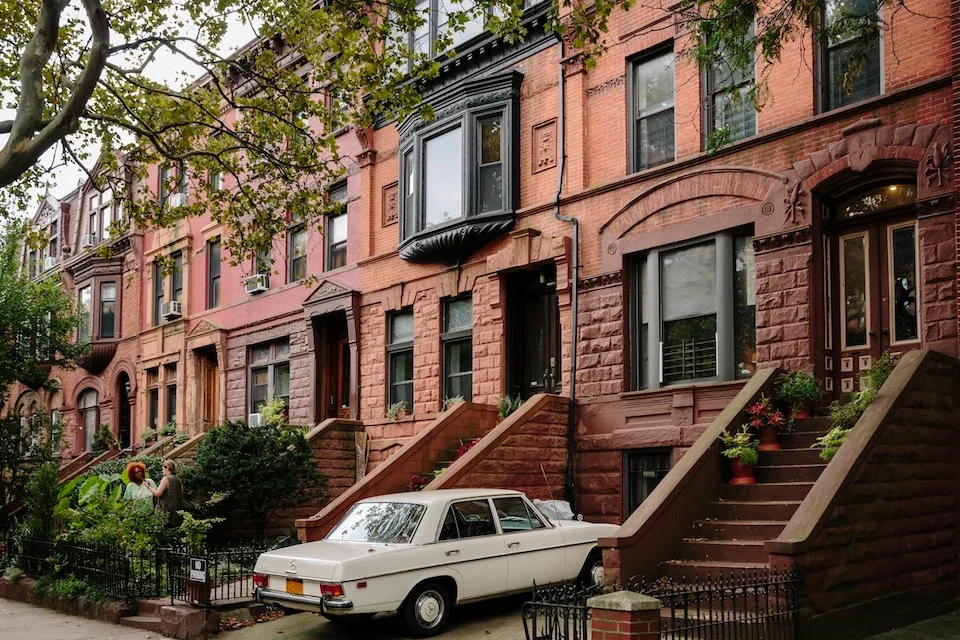
6. Clinton Hill, Brooklyn
Clinton Hill offers classic Brooklyn charm, tree-lined streets, historic architecture, and access to Fort Greene, Prospect Heights, and Downtown Brooklyn. It appeals to buyers who want a neighborhood feel without giving up convenience.
Source: Compass
7. Crown Heights, Brooklyn
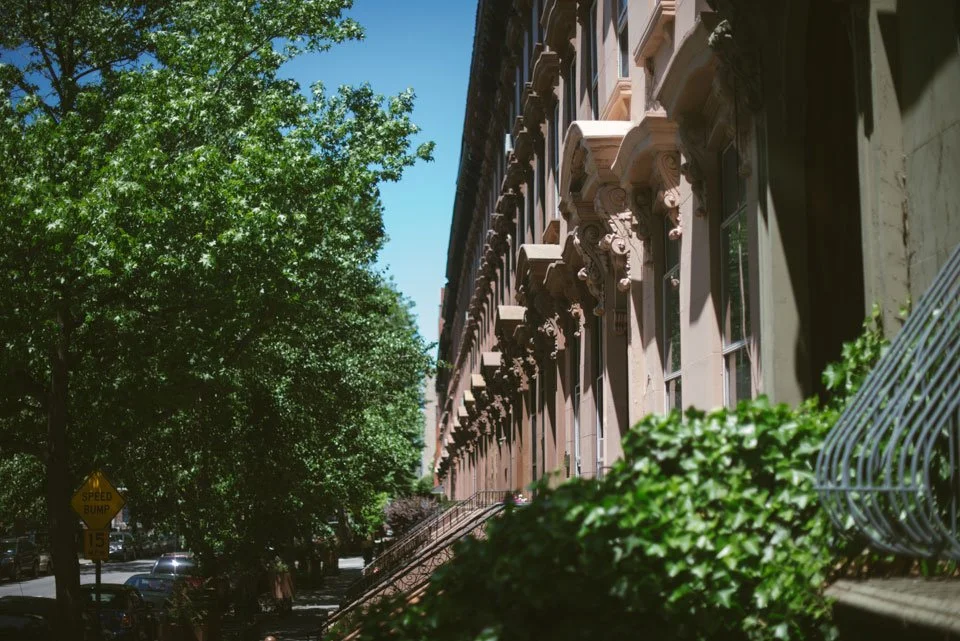
Crown Heights offers beautiful brownstone-lined streets, cultural richness, and a dynamic mix of restaurants, cafés, parks, and community amenities that give the neighborhood its distinctive energy. With excellent transit access, ongoing investment, and a diverse housing stock, it remains an attractive option for buyers seeking both lifestyle and long-term appreciation potential in Brooklyn.
Source: Compass
8. Ridgewood, Queens
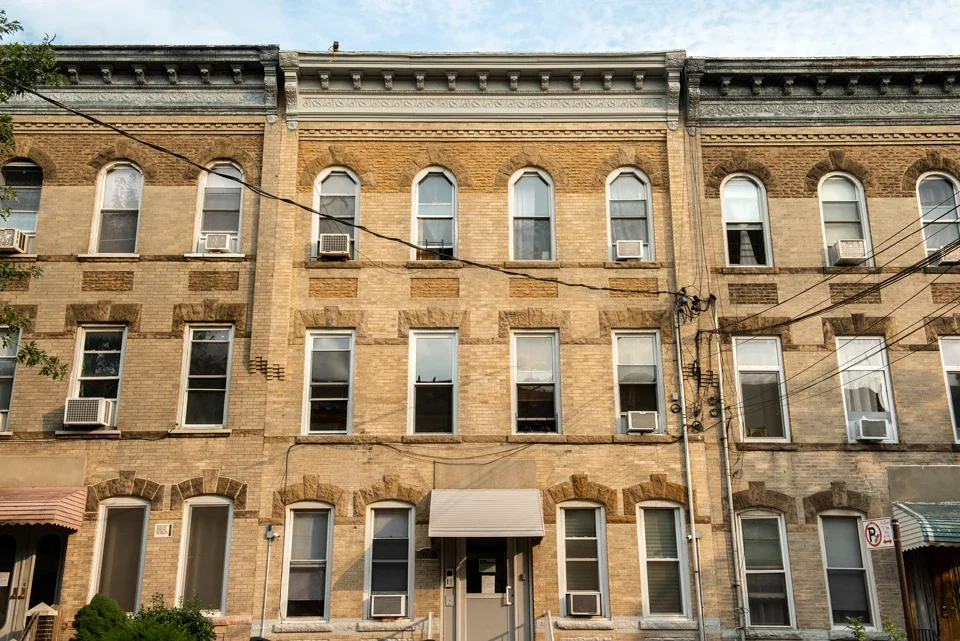
Ridgewood, Queens offers a unique blend of historic architecture, a thriving local restaurant and arts scene, and a strong neighborhood feel while remaining more affordable than many parts of Brooklyn. With convenient access to Manhattan, growing demand, and a mix of classic townhomes, condos, and multifamily properties, it continues to attract both homeowners and investors seeking long-term value.
9. Long Island City, Queens
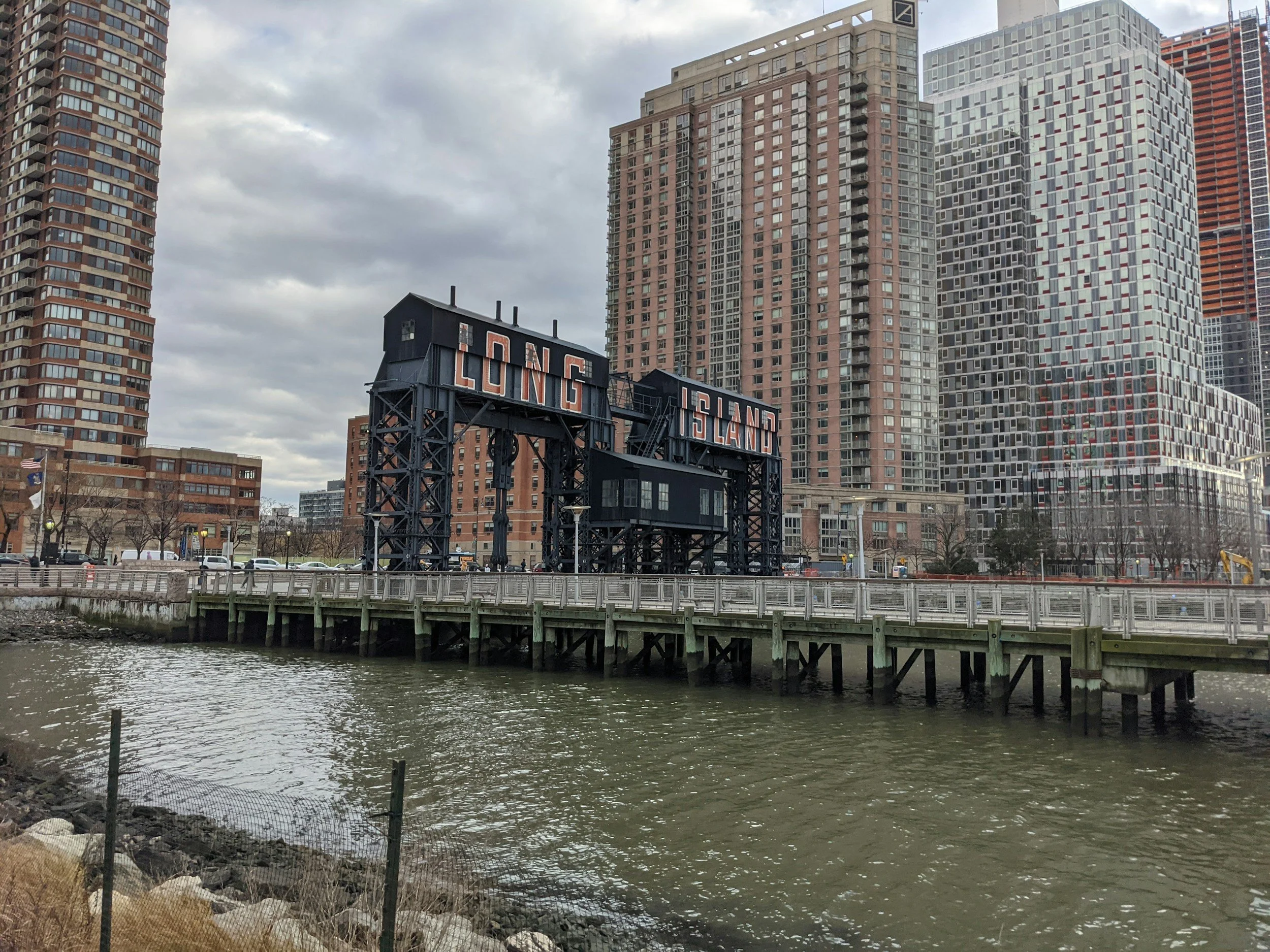
Long Island City remains a strong choice for buyers interested in newer construction, skyline views, waterfront parks, and quick access to Midtown. It continues to attract both end users and investors because of its transit access and rental demand.
Source: Compass
10. Fort Greene, Brooklyn
Fort Greene combines architecture, culture, parks, restaurants, and access to major transit hubs. While it is not a bargain neighborhood, it remains one of Brooklyn’s most enduring markets for buyers thinking long-term.
Final Thoughts
The best NYC neighborhood to buy in 2026 depends on what kind of opportunity you are looking for. Some buyers will prioritize value and inventory. Others will focus on lifestyle, long-term appreciation, or rental potential.
The key is to understand not just where prices are today, but where demand is headed — and where the market is creating a real opening for buyers.
Written by. Sumi Vatsa | (E) sumi@compass.com , (M) 646.284.0907